Commercial Roofing in Chicago:
Built for Flat Roofs and Storm Damage

Trusted roofing and siding contractor serving Chicagoland since 2007.

Commercial roofing in Chicago for flat roofs and storm damage repair. Our local crews respond fast, document what they find, and restore your building with TPO, EPDM, built-up, and other low-slope roofing systems.

Need commercial roofing? Call (773) 993-0998 or request a free quote.

Get a new roof from $139/mo

Get a free, no-pressure quote for your project

4.9 out of 5 293 Google reviews
Request an appointment

What's Covered on This Page

ROOFING IN ACTION

See a Commercial Roof Replacement Take Shape

Take a quick look at a complete commercial roof replacement in Palos Heights, from the worn original roof to the finished system. The project shows how careful preparation, experienced installation, and attention to detail come together to create long-lasting protection.

No pressure. Just a clear look at your roof and your options.

Signs a Commercial Roof Needs Repair or Replacement

Quick Summary: Ponding water, cracked membrane seams, and rusted flashing are clear signs a flat commercial roof needs attention. Catching these problems early can keep a repair from turning into a full replacement. It also helps prevent leaks from reaching your inventory or equipment.

Most commercial roofs in the Chicago area are low slope, TPO, EPDM, or built-up systems. That flat design works until water has nowhere to go. Ponding water sitting for more than 48 hours after a storm is one of the first things we check for, and it is a problem we see constantly after heavy spring rain.

Not sure if what you are looking at is normal wear or an actual problem? That is a fair question. Most owners cannot tell the difference from the ground.

⚠️ Two or more warning signs deserve a closer look

Hail and wind events roll through the Chicago suburbs almost every summer. Naperville, Schaumburg, and Orland Park have all seen storms strong enough to bruise membrane and knock loose flashing in recent seasons. A roof that looked fine in April can be hiding real damage by August. We have walked many roofs where the owner had no idea there was a problem until the drywall inside started staining.

If you are seeing two or more of these signs, do not wait. A free inspection can separate routine wear from damage that is actively spreading.

Repair vs. Replace: How the Decision Gets Made

Here is the thing about commercial roofs: a leak in one spot does not always mean the whole roof is failing, but it does not always mean a quick patch will hold either. We look at the roof as a system, not just the spot where water showed up inside the building. Age matters, membrane condition matters, and how many repairs the roof has already had matters too.

We see this every week on flat and low-slope commercial buildings across Bolingbrook, Naperville, and Downers Grove. A property with a roof under ten years old and one damaged section is usually a repair. A roof past its expected lifespan with multiple soft spots, seam failures, or ponding water in more than one area is a different conversation.

Horizon Restoration crew installing a new asphalt shingle roof on a Chicago home

When a Repair Is the Right Call

  • Isolated damage from a single storm event, with the membrane still tight elsewhere
  • A roof under ten to twelve years old with no history of recurring leaks
  • One or two flashing or seam issues instead of widespread wear

A documented repair-versus-replace finding matters if a storm caused the problem. We put the condition and cause in writing so your insurer has specifics, not opinions.

Commercial flat roof on a multi-unit retail building in the Chicago area

When Replacement Makes More Sense

  • Multiple leak calls in the same season across different roof sections
  • Ponding water, blistering, or membrane that is brittle in more than one spot

So how do you get a straight answer instead of a guess? Start with our Roofing page, which explains how we inspect and document roof conditions before recommending anything.

Insurance plays into this decision too. If storm damage caused the problem, a documented repair-versus-replace finding can affect what a claim covers. Adjusters want specifics, not opinions.

When Your Roof Only Needs Maintenance

Not every call ends with a repair crew on your roof. Sometimes the fix is smaller than people expect.

If your flat roof has a little ponding water after a storm but drains within 48 hours, that is normal. Most low-slope systems in the Chicago area are built to handle short-term ponding. Clogged drains and scuppers cause more damage than the ponding itself. Clearing debris off the roof twice a year often solves it. Loose gravel on a built-up roof, minor granule loss on a newer membrane, or a pitch pocket that just needs fresh sealant—none of these needs a full repair visit.
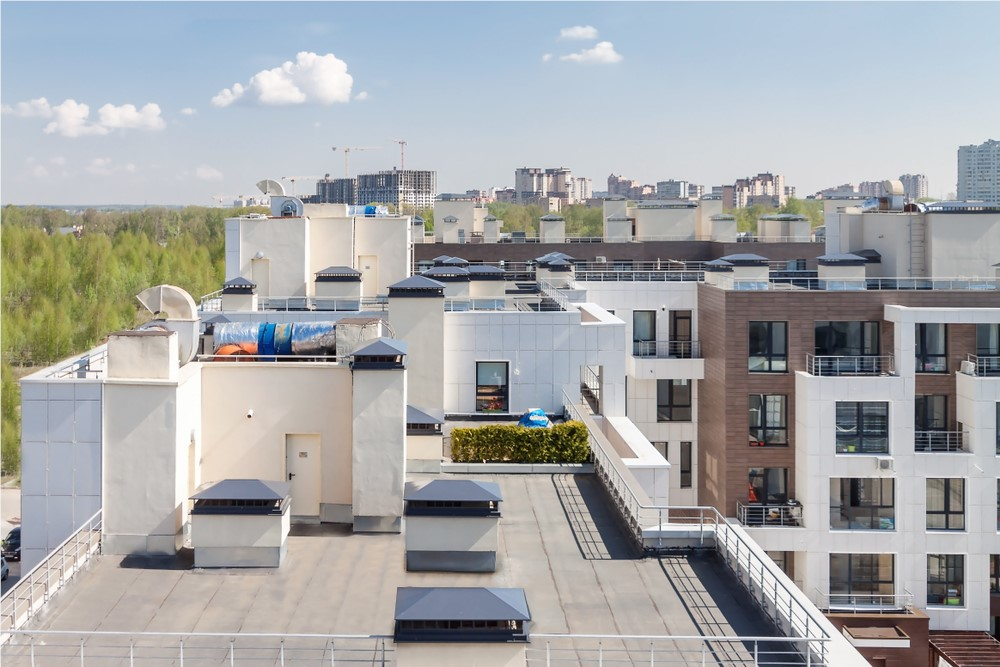
When Maintenance Is Probably Enough

A property manager notices a small dark spot on a ceiling tile after heavy rain and assumes the whole roof is failing. Often it is a single pipe boot or a flashing seam that dried out, not a system-wide problem.

Ask yourself a few things before you call anyone out:

If that sounds like your building, routine maintenance and debris cleanup will probably carry you another season. Not every roof problem is a repair job; some just need a broom and a hose.

Not sure what your commercial roofing project needs? Ask us. Call (773) 993-0998 or get a free quote. Horizon Restoration is ready to help.

What to Expect Before, During, and After the Job

Commercial roofing jobs move in stages. Skip a stage or rush one, and you end up with problems later. During tear-off, expect noise and some foot traffic on the roof. If you run a business out of the building, we will talk through timing so the work does not slow down your operation. Weather plays a role too: a summer storm can push a schedule back a day or two, and we would rather wait for a dry window than seal a membrane in the rain.

01

Free Inspection

We get on the roof, check the deck, flashing, drains, and membrane, and take photos of anything that matters.

02

Free Property Report

You get a plain answer on what is damaged, what caused it, and what your options are.

03

Insurance Coordination

If needed, we meet the adjuster on site and point out damage that is easy to miss from the ground.

04

Material Selection

We go over deck type, slope, drainage, and what the manufacturer requires for your system.

05

Tear Off and Install

Most flat roof jobs run a few days depending on square footage and weather. We coordinate timing around your operations.

06

Final Walkthrough

We check seams, flashing, and drainage before we call the job complete, then review the finished work with you.

Storm Damage, Insurance Claims, and Chicago's Freeze-Thaw Climate

Chicago winters are hard on flat and low-slope commercial roofs. Snow melts during the day and refreezes overnight. That freeze-thaw cycle works water into every seam and flashing point. On older commercial buildings in Arlington Heights, we still see membrane roofs where ponding water sits after a storm and then freezes. It expands cracks in the surface a little more each winter. That is how a small leak becomes a ceiling stain, then a deck problem.

Hail and wind do their own damage too. A hailstorm can bruise a membrane or knock granules off a shingle roof without leaving an obvious hole. From the ground, it can look fine when it is not.

Freeze-Thaw Damage

Hail & Wind Damage

Insurance Claim Support

This is where insurance claims get tricky. Adjusters are not roofers, and they do not always catch every qualifying issue the way someone who installs these systems every day would. Our team includes people with insurance-industry backgrounds, so we understand how claims are documented and evaluated. We work directly with the adjuster on your behalf.

If you spot any of these issues after a storm, do not wait for them to get worse before calling your insurance company.

What to Know Before You Hire a Commercial Roofer

Not all contractors can handle flat and low-slope commercial roofs. We regularly hear from building owners who had a roof installed recently, only to deal with ponding and seam failures after one Chicago winter. Ask these five questions before you accept a bid.

Call a contractor before you call your insurance company. Get a proper inspection and written documentation in hand before you open a claim.

Read the reviews, but read them for commercial and low-slope work specifically. Five stars on a shingle tear-off tells you nothing about whether a crew can flash a parapet wall, detail an HVAC curb, or solve ponding on a flat roof.

Why Horizon Restoration

Commercial Roofing Across Chicagoland

Local Work. Proven Results.

From Chicago to Naperville, Schaumburg, Orland Park, Bolingbrook, Downers Grove, and Arlington Heights, our crews have completed roofing projects for businesses and property owners throughout the area.

298 reviews on GoogleEXCELLENT★★★★★★★★★★
michael zaremba
3 months ago
Google
★★★★★★★★★★

Overall great experience! Julius was fantastic to work with. He was very attentive to all the details and always there to answer questions and get the job done right. Whenever he said he would take care of something, he took care of it. The crew did a fantastic job and the workmanship was top notch. I can not believe how quickly they did a full replacement of our sheathing and roof shingles and still did a high quality job. They left the worksite spotlessly clean. We are getting lots of compliments from our neighbors on how good our roof looks. If you want your roof done right, go with this company.

Steve Ulmanovic
a month ago
Google
★★★★★★★★★★

Paul, thank you so much to you and your entire team for our beautiful new roof. We couldn't have made a better choice. Thank you for all your help with the insurance paperwork and for making the whole process so smooth. We highly recommend Chicago Horizon Restoration Roofing Company to anyone looking for quality work and outstanding service! Pamela & Steve

KLARA Goldin
4 months ago
Google
★★★★★★★★★★

Horizon Restoration did an amazing job on my roof! Paul was fantastic to work with. Super responsive, most important he was honest and really cared about making sure everything was done right. He made what could have been a stressful process feel easy. The crew was fast, clean and very professional. I’m really happy with the result and would definitely recommend them.

Ignacio Coello
3 months ago
Google
★★★★★★★★★★

Our sales specialist Ronny was awesome through the whole initial process and quoted me a very reasonable estimate to re-shingle garage roof and repair main roof shingles that blew off from heavy winds. The crew came and did an excellent job in one day and left the area clean as it was before. Will definitely use Horizon again and recommend them to everyone that needs any type of roofing work! -Ignacio

Tim Paterson
a year ago
Google
★★★★★★★★★★

Our contact at Horizon Restoration was Art. He worked with our insurance company for over a year and a half to have our roof and siding replaced. The other persons behind the scenes at the office who were instrumental in assisting Art were Paul-Manager, Ruby-who was in charge of all correspondence, Jack-Install Manager who coordinated the crews for both the siding and roof, Claudio-On Site Roofing Manager and Mike-On Site Siding Manager. They worked seamlessly as a team and were always available when we had any questions or concerns. It is so nice to have Horizon Restoration going to bat for us. Especially Art whose experience and knowledge was so key in getting our insurance company to approve the replacement of our roof and siding. Our roof and siding look so nice we highly recommend Art and Horizon Restoration to anyone in need of their services. Thank you Art and Horizon for everything.

Frequently Asked Questions About Commercial Roofing

Common questions about commercial roofing in Chicago and the surrounding suburbs.

Most flat commercial roof replacements take a few days to about a week, depending on square footage and weather. Tear-off and installation happen in stages, and we plan around rain to avoid sealing a membrane in wet conditions. If you run a business out of the building, we talk through timing so the work does not disrupt your operations. Larger buildings across Naperville or Downers Grove may take longer simply because of roof size, not because something went wrong.
A roof under ten to twelve years old with one damaged section is usually a repair, not a replacement. We look at age, membrane condition, and how many times the roof has already been patched. Multiple leak calls in one season, or ponding water in more than one spot, points toward replacement. One storm event with the rest of the membrane still tight almost always means a repair will do the job.
Insurance typically covers commercial roof damage caused by covered hail or wind events, subject to your policy. Naperville, Schaumburg, and Orland Park have all seen storms strong enough to bruise membrane and knock loose flashing in recent seasons. When damage is storm-related, we document the condition in writing and meet the adjuster on site to point out anything easy to miss from the ground.
Expect us to walk the deck, flashing, drains, and membrane, and take photos of anything that matters. This first visit is a free inspection, followed by a plain-language property report on what is damaged and what caused it. We check for ponding water, cracked seams, and rusted flashing because those are issues we see often after heavy spring rain. You will get straight answers, not just a guess.
Ponding water often comes back because a drain or scupper is clogged, not because the roof itself is failing. Clogged drains can cause more damage than short-term ponding, and clearing debris off the roof twice a year often solves the problem. Water that drains within 48 hours is normal for many low-slope systems in the Chicago area. If it sits longer than that after every storm, it is worth having the drainage checked.
Chicago winters stress flat and low-slope roofs because snow melts during the day and refreezes overnight, forcing water into small cracks and seams. That freeze-thaw cycle can turn a minor flashing gap into a real leak by spring. Buildings in Bolingbrook, Schaumburg, and similar suburbs see this pattern every year once temperatures start swinging. Catching small seam or flashing issues before winter helps the roof handle the stress without new damage forming.