
Trusted roofing and siding contractor serving Chicagoland since 2007.


Free storm damage inspection or a no-pressure quote for your project
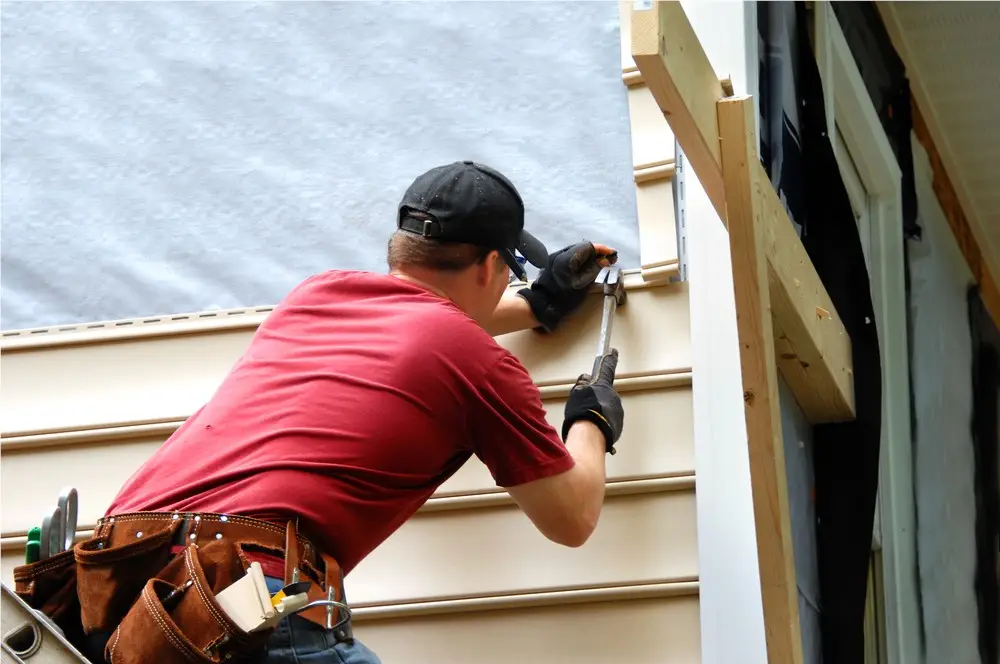
Cracked panels, warping, and soft spots under the siding usually mean repair won’t cut it. If damage covers more than a few panels or you find rot in the sheathing, a full vinyl siding installation is almost always the smarter move.
How do you know when it’s time to stop patching and start replacing? It comes down to how much of the wall is affected. One cracked panel from a stray branch is a repair. A whole side of the house that’s faded, warped, or pulling away from the wall is a different story.
Splits in more than one spot, especially near corners and window trim, where panels take the most stress.
Waves that show up on sunny afternoons and never flatten back out once the wall cools down.
If the siding gives when you press on it, water already got behind the panel and reached the wall.
Visible gaps or bowing where panels no longer lock together and wind can get underneath.
Fading so uneven that patch panels never match, even when you order the same color line.
Homes in Naperville built before the mid-1990s often still have their original aluminum or early vinyl siding. We see it dent and crack after a single bad hailstorm. That older material just wasn’t made to handle Chicago-area hail the way today’s products are.
If your siding is from that era and took a direct hit, a repair might hold for a season, but it’s rarely worth the trouble.
Most homeowners don’t think about water damage behind the siding. It doesn’t always show up right away.
By the time you see staining or soft wall sheathing on the inside, the problem has usually been there a while. That’s why we pull panels and check the sheathing on every inspection, not just the wall you called about.
Not every ding in your siding means a full replacement. But some damage means your insurance company should be involved before you spend a dime out of pocket.
Chicago’s spring and summer storms roll through fast. Suburbs like Naperville, Schaumburg, and Bolingbrook regularly see hail large enough to crack or punch through vinyl panels. Wind gusts during these storms can also peel siding right off the wall, especially on older homes where the panels were nailed too tight.
Hail impact that splits or punches straight through the vinyl. Usually clustered on the storm-facing walls.
Dimples that look like someone tapped the siding with a hammer. Adjusters read these as impact patterns.
Panels that warped, came unlocked, or left the wall entirely during a wind event.
Wind-driven debris goes through vinyl easily. Any puncture is a direct path for water into the wall.
Fading or color change on one section but not the rest often points to impact damage, not age.
Most homeowners notice it when a neighbor mentions it, or when they’re outside mowing and catch a panel flapping in the wind. We see this every spring once the storms roll through.
If you’re not sure whether what you’re looking at qualifies, that’s a normal question. Insurance adjusters look for patterns of impact damage, not just cosmetic wear.
Documenting damage correctly matters more than people realize. Our team has insurance industry experience, so we know what adjusters need to see and how to record it so your claim gets a fair look.
You can read more about how we handle full replacements on our Siding page.
Vinyl expands and contracts with temperature. That’s just how the material works. Chicago swings from single digits in January to 90-degree summer days, and that range puts real stress on siding panels every year.
We see this every week: siding installed too tight, with no room to move. By the second winter, it’s buckling, warping, or popping loose at the seams. Suburbs like Naperville and Aurora see harsh freeze-thaw cycles all winter, and older homes in those areas often show the wavy, rippled look left behind by a rush job years back.
Cold weather installation matters too. Vinyl gets brittle below a certain temperature, and crews who don’t account for that can crack panels just snapping them into place. So the crew’s experience with our local weather isn’t a nice-to-have; it’s the whole ballgame. Get it wrong, and you’re looking at repairs in a year or two, not twenty.

The panel can't shift when it gets cold, so it cracks instead of flexing. This is the single most common install mistake we're called out to fix.
Wind gets underneath and works the panel free. One good Chicago gust and you've got siding in the yard and an open wall behind it.
Panels hang loose on the nail with room to move, plus proper starter strips and J-channel around every opening. That's a wall that still looks right in twenty years.
“The siding material only performs as well as the hands that install it. Chicago’s weather is not forgiving of shortcuts.”
Get a free quote. Horizon Restoration is ready to help — no pressure, no obligation.
Here’s what we tell every homeowner: ask your contractor to walk you through the estimate line by line. A vague number on a napkin should worry you more than a detailed one that takes longer to explain. These five questions tell you a lot about who you’re hiring.
Thicker vinyl resists warping and holds up better in wind. A bid that doesn’t name the panel thickness is a bid you can’t compare to anything. Ask whether the backing is insulated or non-insulated too, since that changes both the price and the energy performance.
Vinyl panels are supposed to hang loose on the nail, not snug. Nail it too tight and the panel can’t shift when it gets cold, so it cracks instead of flexing. Nail it too loose and wind gets under it. If a crew can’t explain this, keep looking.
Ask for the certificate from their carrier directly. General liability and workers’ comp both matter. Horizon Restoration is fully licensed, bonded, and insured, and we carry supplier certifications because we put our crews through training every year.
If the sheathing or house wrap is damaged from moisture, that has to get fixed before new panels go up. Older homes around Elmwood Park, Franklin Park, and Norridge often have wood board sheathing that shrank and warped over decades.
Ask who inspects it, and what happens to the price if they find rot.
You want a crew that documents hail dents, cracked panels, and loose seams the way an adjuster needs to see them, not one that hands you a phone number. Our team has insurance industry experience and handles the back-and-forth with your carrier.
Most homeowners file the claim first. The adjuster undervalues the siding damage, and they spend the rest of the process arguing uphill. Get the damage documented properly first, then file.
One last thing: read the reviews, but read them for siding work specifically. Five stars on a gutter job tells you very little about how a crew hangs vinyl in February.
Or call (773) 993-0998
No pressure, no obligation. Just a straight answer on what your siding actually needs.
What makes one siding job cost more than another? A few things. The size of your home matters, but so does the shape. A house with lots of corners, dormers, and trim work takes longer to wrap than a simple rectangle. We see this every week when we walk a property in Naperville or Wheeling. More cuts mean more labor.
Thicker vinyl resists warping and holds up better in wind. Gauge is the first line item to compare between bids.
Insulated backing costs more up front and changes how the wall performs through a Chicago winter.
Windows, doors, and soffits all need wrapping. Every extra opening is another set of cuts and another seam to seal.
A two-story home with steep grading takes more equipment and more staging time than a ranch on a flat lot.
If the old siding has to come off first, that adds labor and disposal cost. Some homes can be built over; many can't.
Tear-off is a big factor. Some homes in older Chicago suburbs still have wood siding underneath a layer of aluminum, and that changes the whole scope of the job.
Then there’s what’s under the siding. If the sheathing or house wrap is damaged from moisture, that has to get fixed before new panels go up.
Ask about the panel gauge, the underlayment, and who’s pulling the permit. Those answers tell you a lot about who you’re hiring.
Not every wall is the same underneath. That’s the truth. Homes around Elmwood Park, Franklin Park, and Norridge often have older wood board sheathing instead of flat plywood or OSB. Boards shrink and warp over decades, so the wall surface isn’t straight anymore. We check for that before a single panel goes up. Skip it, and the siding telegraphs every bump and gap underneath — you’ll see waves in the finish for years.

Older homes tend to have layers stacked on top of each other: wood siding under aluminum, aluminum under something else someone added in the 80s. All of it has to come off first.

Subdivisions in Plainfield, Bolingbrook, and Naperville usually have modern OSB sheathing that’s flat, square, and code-compliant from the start. We still check house wrap and flashing details around windows before closing anything up.
Old house or new, every opening gets proper starter strips and J-channel so the siding can expand and contract with the temperature swings. Chicago winters push panels one way, summer heat pushes them back. Get the fasteners too tight on an old, uneven wall and you’ll see buckling by the second summer. Every wall tells us something different, and we treat it that way.
Fiber cement siding is the premier material for withstanding Chicago’s climate. It won’t buckle in summer heat, crack in January cold, or rot from moisture. As a James Hardie certified installer, we ensure every plank is properly fastened, flashed, and spaced to manufacturer specifications.
Installation includes:
Available pre-primed or with ColorPlus factory finish for lasting color vibrancy. Our most-requested product — homeowners want siding that lasts 30+ years without regular upkeep.
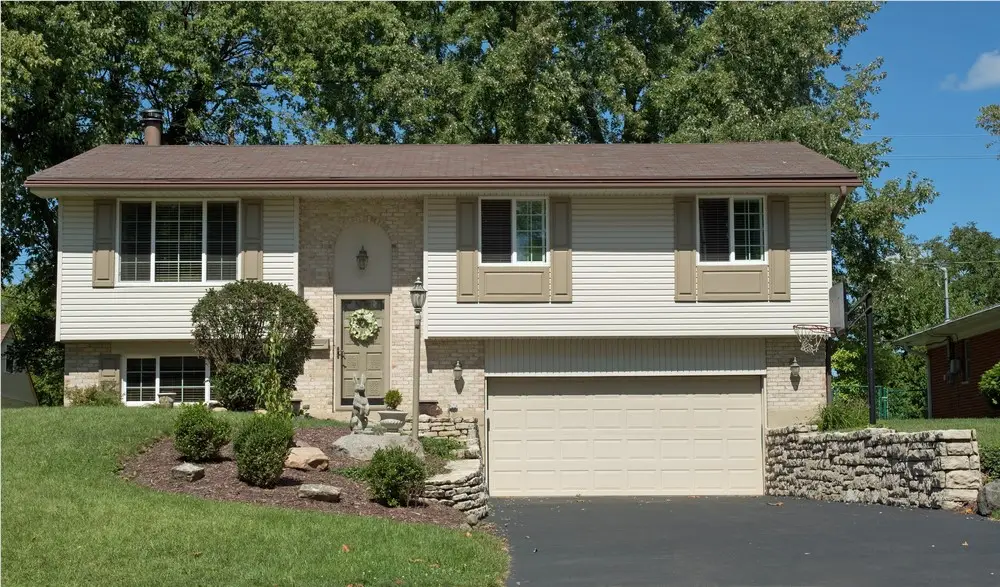
You’re on the vinyl page. Vinyl is the most frequently installed siding type on Chicago homes — lightweight, low maintenance, and the best value per square foot when it’s installed with room to expand.
LP SmartSide is an engineered wood siding offering the appearance of real wood without the maintenance. Formulated to resist rot, termites, and fungal decay, it performs exceptionally well in Chicago’s moisture and temperature swings.
Why homeowners choose LP SmartSide:
Available in lap siding, panel, and trim varieties. This is one of our most sought-after installs for homeowners who want a wood aesthetic without repainting every few years. Horizon Restoration is a certified LP SmartSide installer.
Six more services under one roof — same crew, same warranty, same number to call.

Horizon restoration did a great job in getting our roof claim approved by our insurance. They worked hard to make sure the insurance company covered the cost of the roof and gutters. AJ was always on top of things and kept us informed every step of the way. We recommended them to our family member who also signed with AJ and Horizon Restoration due to how well they managed our project. We would highly recommend them for their roofing expertise, knowledge with insurance companies and over all communication during the project. In addition to this the roof looks great and their team did a great job on the roof and the clean up.

Overall great experience! Julius was fantastic to work with. He was very attentive to all the details and always there to answer questions and get the job done right. Whenever he said he would take care of something, he took care of it. The crew did a fantastic job and the workmanship was top notch. I can not believe how quickly they did a full replacement of our sheathing and roof shingles and still did a high quality job. They left the worksite spotlessly clean. We are getting lots of compliments from our neighbors on how good our roof looks. If you want your roof done right, go with this company.

Paul, thank you so much to you and your entire team for our beautiful new roof. We couldn't have made a better choice. Thank you for all your help with the insurance paperwork and for making the whole process so smooth. We highly recommend Chicago Horizon Restoration Roofing Company to anyone looking for quality work and outstanding service! Pamela & Steve

Horizon Restoration did an amazing job on my roof! Paul was fantastic to work with. Super responsive, most important he was honest and really cared about making sure everything was done right. He made what could have been a stressful process feel easy. The crew was fast, clean and very professional. I’m really happy with the result and would definitely recommend them.

Our sales specialist Ronny was awesome through the whole initial process and quoted me a very reasonable estimate to re-shingle garage roof and repair main roof shingles that blew off from heavy winds. The crew came and did an excellent job in one day and left the area clean as it was before. Will definitely use Horizon again and recommend them to everyone that needs any type of roofing work! -Ignacio
From the North Shore to the Southwest Suburbs, we have completed thousands of roofing and siding projects for homeowners throughout the Chicago area. If you live nearby, there’s a good chance we’ve already worked on a home in your neighborhood.